
European nations are undergoing significant education reforms to prepare students for the demands of the 21st century. These reforms emphasize practical skills, digital literacy, creativity, and adaptability, ensuring future generations are ready for the evolving global economy.
Key Reform Areas
-
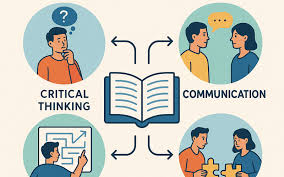
Modernized Curriculum: Schools and universities are redesigning courses to focus on critical thinking, communication, and interdisciplinary learning.
-
Digital Competence: Governments invest in digital tools, AI education, and coding programs to build a tech-savvy student population.
-
Vocational Training: Enhanced technical and vocational education ensures smoother transitions from school to industry, reducing youth unemployment.
-
Lifelong Learning: Initiatives promote continuous skill development, encouraging adults to reskill and upskill in a fast-changing job market.
Impact and Analysis
Experts emphasize that these reforms bridge the gap between education and employment, creating an adaptable workforce ready for innovation-driven economies. Collaboration between educators, businesses, and policymakers strengthens long-term success.
Conclusion
Europe’s education reforms signal a bold move toward future-ready learning systems, empowering individuals with the knowledge, creativity, and flexibility needed to thrive in tomorrow’s world.